Pixel art styles
One character, any era
Pick a style and every sprite, animation and tile follows its rules: sprite size, palette limits and outline conventions.

16-bit pixel art
The SNES and Mega Drive look: rich palettes, soft shading, chunky outlines. The default for most indie RPGs and platformers.

8-bit / NES pixel art
Tiny sprites, hard limits, maximum charm. Few colors per sprite, flat shading, strong silhouettes.

GBA pixel art
The Game Boy Advance era: bright, saturated colors, clean outlines and expressive small characters.

SNES pixel art
Lush backgrounds, detailed characters and smooth color ramps from the 16-bit golden age.

Game Boy pixel art
Four shades of green. Pure readability, nothing to hide behind.
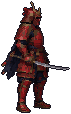
HD pixel art
Larger sprites with modern lighting and many colors, while every pixel still counts.

Chibi pixel art
Big heads, small bodies, lots of personality. Very readable at small sizes.

Isometric pixel art
2:1 isometric angle for strategy, city builders and tactics games. Characters and tiles share the same grid.

1-bit pixel art
Black and white, nothing else. Striking, cheap to produce and instantly recognizable.

PICO-8 style
The fantasy console's fixed 16-color palette and 8x8 sprites.